Strategy is a roadmap, not a crystal ball.
I don’t expect a strategy to predict everything that might happen. I expect it to point us toward an important outcome and help keep us from getting distracted by every new opportunity, threat, or shiny object that appears along the way.
Good strategy starts with doing your homework. What is happening in the market? What do customers actually need and value? What motivates them to act—or keeps them from acting? Where does the organization have a real advantage, and where are the gaps? The better we understand the landscape, the smarter and more efficient we can be about the campaigns, tactics, and investments that follow.
A strategy won’t give us definitive answers to every difficult question. It shouldn’t. Markets change. Customers surprise us. Competitors move. New opportunities emerge. The goal isn’t to predict everything that might happen; it’s to create enough clarity about where we’re going and why that we can make better decisions along the way.
That takes planning and discipline. It means defending priorities when something tempting threatens to pull attention away from them. And it requires enough agility to recognize when new information tells us the roadmap needs to change.
Strategy in Practice
Measuring What Matters: How do we know we’re making an impact?
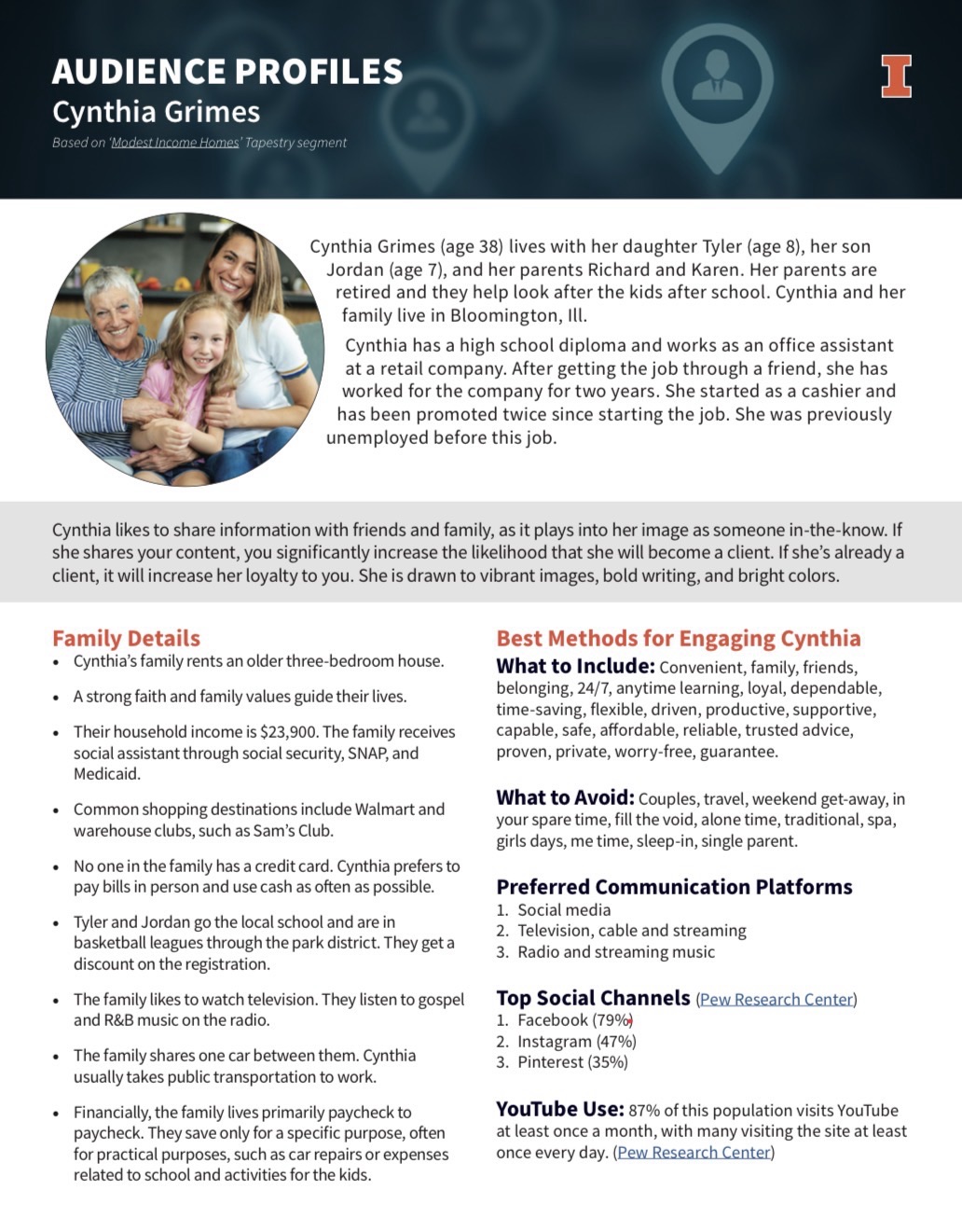
Understanding the Customer: What do customers really need and value?
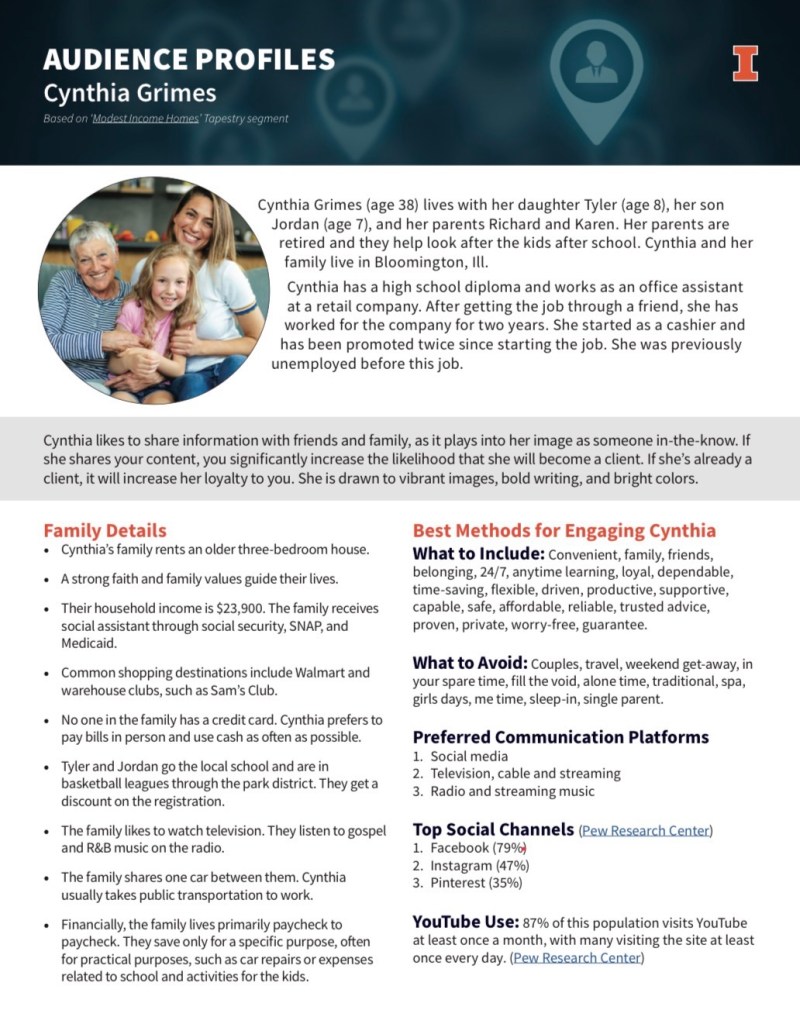
Building a Useful Persona: How do we turn audience insight into action?
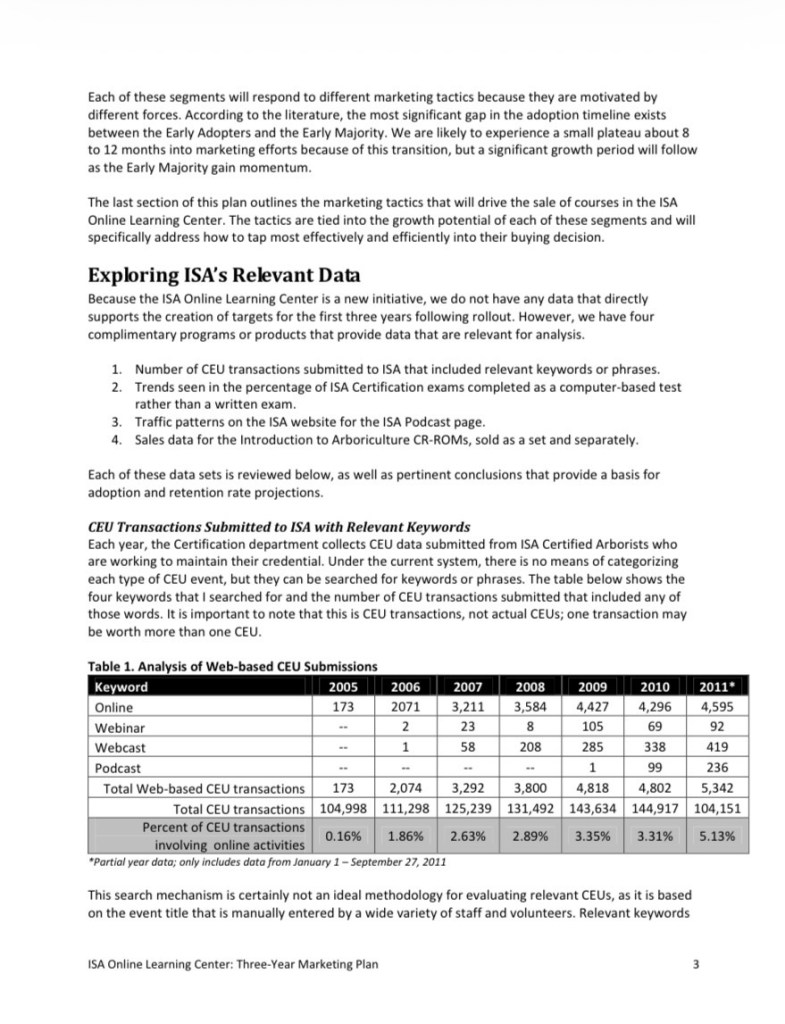
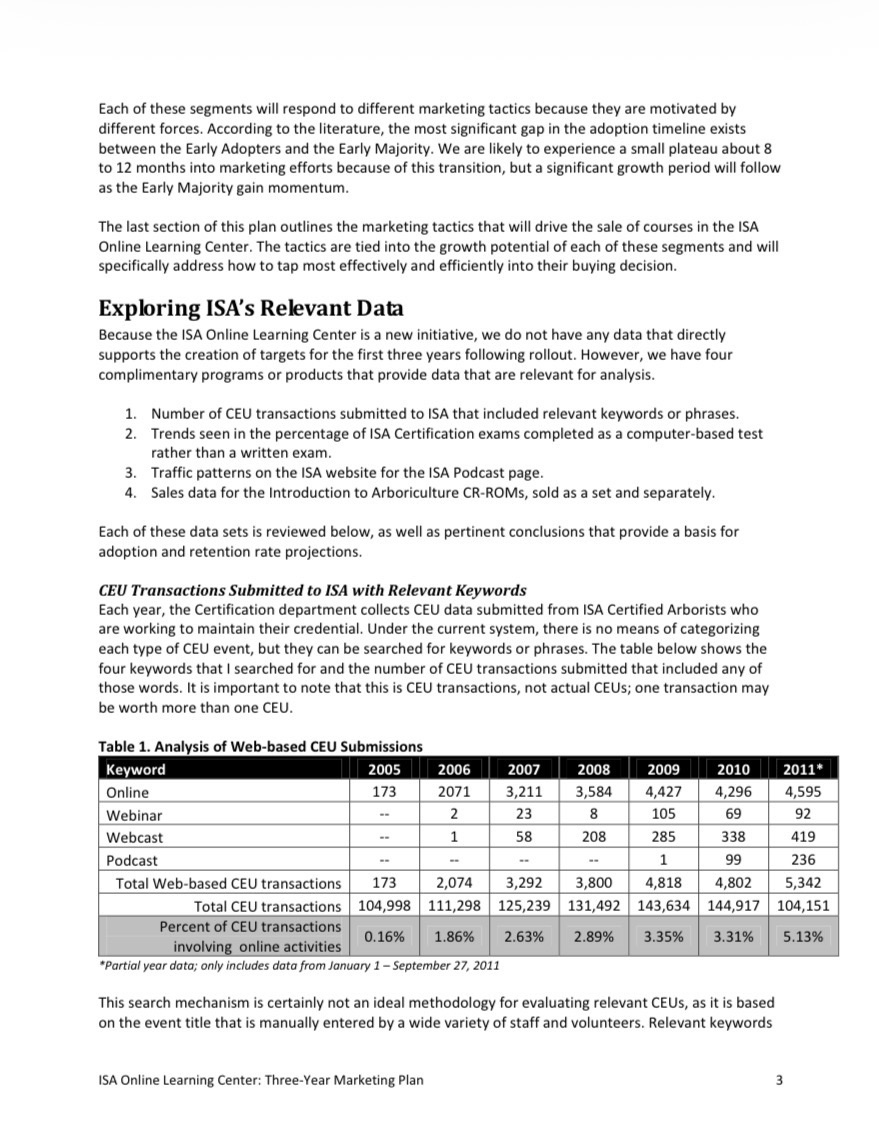
Launching a New Product: How do we bring something new to market?